How Self Storage Operators Control Costs and Improve NOI
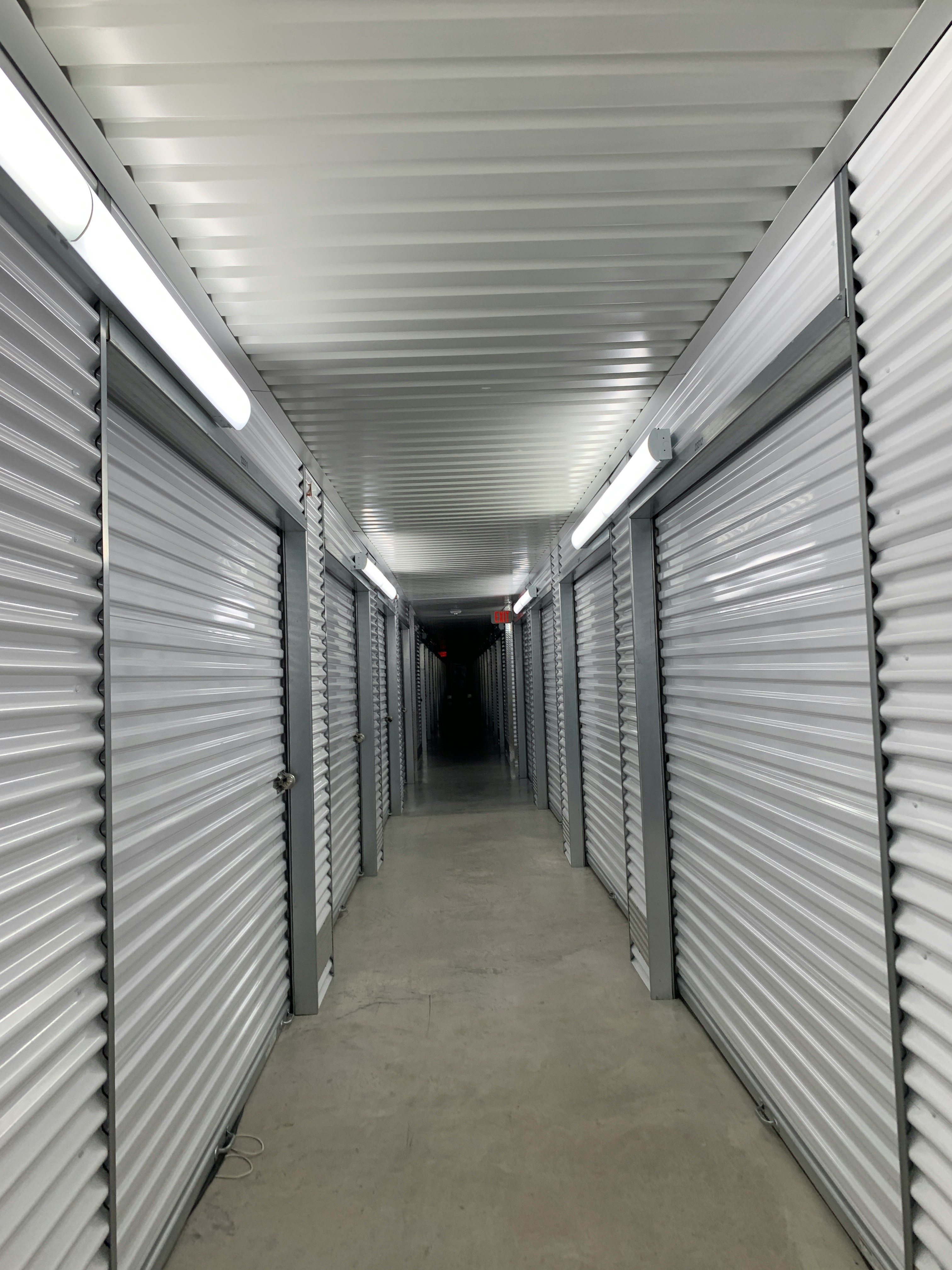
Self storage is often viewed as one of the most operationally efficient asset classes in real estate. Lean staffing models, standardized unit types, and recurring monthly revenue create a strong foundation for performance. Yet strong fundamentals do not guarantee strong margins. Rising labor costs, insurance premiums, utilities, property taxes, and vendor pricing pressure are steadily eroding profitability for operators who lack operational control.
For self storage owners and operators, Net Operating Income is not only driven by rent growth. It is protected and expanded through disciplined cost management. The operators who consistently outperform are not just good at marketing units. They build repeatable systems that create visibility, accountability, and efficiency across every property in the portfolio.
Here is how leading self storage operators control costs and improve NOI without sacrificing tenant experience or long term asset value.
The NOI Equation in Self Storage
At its core, NOI is simple: revenue minus operating expenses. In self storage, revenue growth often receives the most attention through rate optimization, occupancy management, and ancillary income streams. However, expense control frequently delivers faster and more reliable NOI improvement because every dollar saved flows directly to the bottom line.
Expense categories that typically have the greatest impact include:
- Property management and staffing
- Utilities
- Maintenance and repairs
- Insurance
- Property taxes
- Marketing spend
- Vendor services such as security, landscaping, pest control, and technology
Operators who treat these line items as fixed costs leave money on the table. High performing portfolios treat them as controllable levers.
Building Visibility Before Cutting Costs
Cost control does not start with slashing budgets. It starts with visibility. Many self storage portfolios operate with fragmented data across property management systems, accounting tools, and vendor invoices. This lack of transparency makes it difficult to answer basic questions.
Where are we overspending?
Which properties have rising maintenance costs?
Are we paying the same vendor different rates across sites?
Which expenses are trending above budget?
Centralized Reporting
Top operators standardize reporting across their portfolios. They use consistent chart of accounts, standardized expense categories, and monthly variance reporting. This allows leadership to identify outliers quickly.
When one property’s utility costs spike or maintenance expenses trend upward, the issue can be investigated before it becomes a systemic problem.
Expense Benchmarking
Benchmarking is another critical discipline. Comparing expenses per square foot, per unit, or per occupied unit across properties reveals inefficiencies. A site with significantly higher repair costs may have aging infrastructure, poor preventive maintenance, or vendor overuse.
Without benchmarking, cost creep often goes unnoticed until NOI declines.
Labor Optimization Without Sacrificing Service
Self storage operates with relatively small teams, but labor remains a major expense. The goal is not to reduce service quality but to deploy staff more effectively.
Technology Enabled Operations
Online leasing, automated gate access, kiosks, and remote management tools reduce the need for constant on site staffing. Tenants increasingly expect digital self service options, and operators that embrace these tools lower labor intensity while improving convenience.
Cross Training Staff
Multi property managers and cross trained employees allow operators to flex labor across locations. Instead of each site operating in isolation, regional teams can support multiple facilities, reducing idle time and improving coverage during peak periods.
Performance Metrics
Tracking leads, conversions, call response times, and occupancy growth at the manager level ensures labor is aligned with results. When performance data is visible, coaching and process improvement replace reactive staffing decisions.
Utilities: A Hidden NOI Lever
Utilities often feel like fixed costs, but they are highly manageable with the right approach.
Energy Efficiency Upgrades
LED lighting, motion sensors, and efficient HVAC systems in climate controlled facilities significantly reduce electricity usage. These upgrades often have short payback periods and provide long term savings.
Smart Monitoring
Water leaks, faulty HVAC systems, or lighting left on unnecessarily can quietly inflate bills. Smart monitoring systems alert operators to anomalies, allowing fast intervention before costs escalate.
Utility Audits
Regular audits identify billing errors, incorrect rate classifications, or unnecessary services. Across a portfolio, small corrections can translate into meaningful NOI gains.
Preventive Maintenance Reduces Reactive Spending
Deferred maintenance often appears to save money in the short term but leads to higher long term costs and operational disruptions.
Standardized Maintenance Programs
Routine inspections of roofs, gates, doors, security systems, and climate control equipment reduce emergency repairs. Predictable maintenance schedules also improve vendor planning and pricing.
Asset Lifecycle Tracking
Understanding the age and condition of major systems allows operators to plan capital expenditures strategically. Replacing equipment before failure avoids revenue loss from unit downtime and emergency repair premiums.
Vendor Management as a Strategic Function
Vendors play a central role in self storage operations. Landscaping, security monitoring, pest control, cleaning, technology, and maintenance services all impact costs and performance.
Portfolio Level Negotiation
Operators with multiple sites gain leverage by negotiating contracts at the portfolio level. Consolidating vendors often leads to better pricing, standardized service levels, and simplified management.
Performance Accountability
Clear service level agreements and regular performance reviews ensure vendors deliver consistent value. When expectations are documented and measured, service quality improves and unnecessary charges decline.
Invoice Control and Auditing
Duplicate charges, incorrect rates, and unauthorized services are common sources of leakage. Systematic invoice review and approval workflows reduce overpayment and create financial discipline.
Insurance and Risk Management
Insurance costs have risen sharply across real estate. Self storage operators can manage this through proactive risk reduction.
Loss Prevention
Improved lighting, surveillance systems, access control, and site cleanliness reduce claims. Fewer incidents strengthen an operator’s risk profile and improve negotiations with insurers.
Coverage Optimization
Regular policy reviews ensure coverage aligns with asset values and risk exposure. Overinsurance or redundant policies create unnecessary expense.
Marketing Efficiency and Customer Acquisition Costs
Marketing spend directly affects occupancy and revenue, but inefficiencies erode returns.
Channel Performance Tracking
Operators should measure cost per lead, cost per rental, and conversion rates by channel. This data ensures budgets are directed toward high performing platforms.
Reputation Management
Strong online reviews reduce reliance on paid advertising. Consistent service quality and proactive review management lower customer acquisition costs over time.
Leveraging Data for Smarter Decisions
Data driven operations are a defining trait of high NOI portfolios.
Real Time Dashboards
Dashboards that integrate occupancy, revenue, expenses, and performance metrics give operators immediate insight into trends. Issues can be addressed before monthly financials are finalized.
Forecasting and Scenario Planning
Understanding how changes in occupancy, rates, or expenses affect NOI helps operators plan proactively. This is especially important during periods of economic uncertainty.
Standardization Across the Portfolio
One of the biggest advantages of self storage as an asset class is its repeatability. Yet many portfolios operate with inconsistent processes.
Standard Operating Procedures
Documented procedures for leasing, maintenance, vendor engagement, and reporting create consistency. This reduces errors, improves training, and ensures best practices are applied across properties.
Technology Integration
Integrated systems for operations, accounting, and vendor management reduce manual work and data silos. Automation not only lowers administrative costs but also improves accuracy.
Controlling Costs While Enhancing Tenant Experience
Cost control should not come at the expense of customer satisfaction. In fact, operational efficiency often improves the tenant experience.
- Digital access and online payments increase convenience
- Well maintained facilities enhance security and perception of value
- Fast response to issues builds trust and retention
Higher retention reduces turnover costs and vacancy loss, further strengthening NOI.
The Compounding Effect on Asset Value
NOI growth has a direct impact on asset valuation. Even modest expense reductions can significantly increase property value when capitalized.
For example, reducing annual operating expenses by a relatively small amount across a portfolio can translate into a substantial increase in asset value depending on market cap rates. This makes cost control not just an operational priority but a strategic investment lever.
Conclusion
Self storage operators who consistently improve NOI do not rely on rent increases alone. They build disciplined operational frameworks that create visibility, accountability, and efficiency across every expense category.
Through centralized reporting, labor optimization, energy management, preventive maintenance, strategic vendor oversight, and data driven decision making, operators transform cost control from a reactive exercise into a competitive advantage.
In an environment where external costs continue to rise, internal operational excellence becomes the most reliable path to margin expansion. The operators who treat expense management as a core competency, supported by technology and standardized processes, position their portfolios for stronger cash flow, higher valuations, and long term resilience.