How to Improve NOI Without Relying on Rent Growth
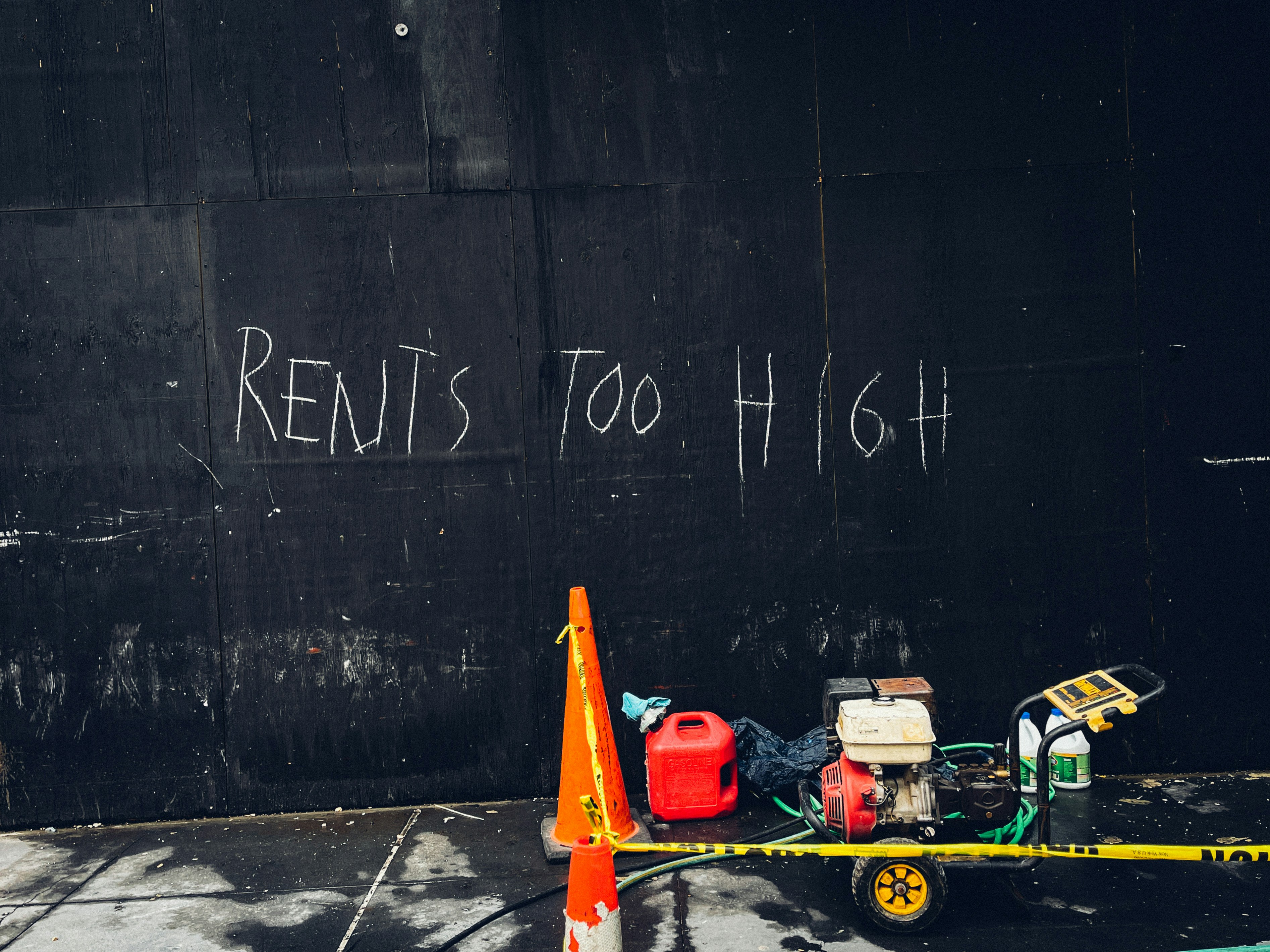
For years, rent growth has been the go to lever for improving Net Operating Income. When market fundamentals are strong, increasing rents feels straightforward and scalable. But when interest rates rise, affordability tightens, or supply increases, rent growth becomes harder to sustain and riskier to assume.
Smart operators understand that resilient NOI performance is not built solely on rent increases. It is driven by operational discipline, cost control, and strategic asset management. The most durable portfolios improve NOI regardless of market cycles by optimizing what they already control.
This article explores practical, repeatable ways to improve NOI without leaning on rent growth. These strategies help protect margins, stabilize cash flow, and position assets for long term value creation.
Why Rent Growth Is a Fragile NOI Strategy
Rent growth is external. It depends on market demand, competitive supply, wage growth, and regulatory pressure. Operators can influence pricing, but they do not control the macro environment.
Overreliance on rent growth creates several risks:
- Increased vacancy from pricing resistance
- Higher turnover costs
- Political and regulatory exposure
- Misalignment with tenant affordability
When markets soften, operators who rely on rent increases often see NOI compress rapidly. In contrast, assets with strong operational fundamentals maintain performance even when rents flatten.
Improving NOI without rent growth is not about austerity. It is about efficiency, precision, and smarter execution.
Focus Area One: Operating Expense Optimization
Expense management is the fastest and most controllable way to improve NOI. Even small percentage reductions can materially impact cash flow and valuations.
Audit and Rebaseline All Operating Costs
Many properties carry legacy expenses that no longer reflect current needs or market pricing. Start with a full operating expense audit to identify:
- Redundant services
- Overpriced vendor contracts
- Misaligned staffing levels
- Underutilized subscriptions or systems
Rebaselining expenses creates a new operational baseline and reveals immediate savings opportunities.
Renegotiate Vendor Contracts Strategically
Vendor creep is a silent NOI killer. Contracts often auto renew with incremental increases that compound over time.
Focus on:
- Landscaping and maintenance
- Janitorial and cleaning services
- Waste management
- Security and monitoring
- Utilities and telecom
Competitive bidding every two to three years keeps pricing market aligned. Consolidating vendors across a portfolio can also unlock volume discounts.
Control Utilities Through Technology and Process
Utilities are one of the largest and least optimized expense categories.
Effective strategies include:
- Smart thermostats and building controls
- Water submetering and leak detection
- LED lighting retrofits
- Preventive maintenance schedules
These investments often deliver measurable payback within one to three years while reducing volatility in operating expenses.
Focus Area Two: Staffing and Operational Efficiency
Labor costs continue to rise, making staffing efficiency critical to NOI performance.
Right Size On Site and Centralized Teams
Overstaffing erodes NOI. Understaffing impacts service quality and retention. The goal is precision.
Evaluate:
- Task allocation and workload distribution
- Opportunities for centralized leasing, accounting, or maintenance coordination
- Automation of manual workflows
Centralized models often reduce redundancy while improving consistency and accountability.
Automate Administrative Workflows
Manual processes consume time and introduce errors.
High impact automation opportunities include:
- Lease administration and renewals
- Work order management
- Vendor payments and approvals
- Reporting and compliance tracking
Automation improves speed, reduces errors, and allows teams to focus on higher value activities that directly support NOI.
Focus Area Three: Reduce Turnover and Vacancy Loss
Turnover is one of the most underestimated NOI drains. The true cost extends far beyond lost rent.
Quantify the Full Cost of Turnover
Turnover costs typically include:
- Vacancy loss
- Make ready and repair expenses
- Marketing and leasing costs
- Staff time and productivity loss
When fully measured, reducing turnover by even a few percentage points can outperform aggressive rent increases.
Improve Retention Through Operational Consistency
Retention is driven by execution, not incentives.
Key drivers include:
- Fast and reliable maintenance response
- Clear communication
- Predictable billing and policies
- Consistent service standards
Tenants stay when friction is low and trust is high.
Optimize Renewal Strategy
Renewals should be proactive and data driven.
Effective practices include:
- Early renewal outreach
- Tiered renewal offers based on tenant value
- Flexible lease terms aligned with tenant needs
Renewals protect NOI by stabilizing occupancy and reducing leasing costs.
Focus Area Four: Ancillary Income Optimization
Ancillary income improves NOI without impacting base rent. When executed well, it enhances convenience and tenant satisfaction.
Identify Underutilized Revenue Opportunities
Common ancillary income sources include:
- Reserved parking
- Storage units
- Pet fees and services
- Utility billbacks
- Premium services or amenities
Many assets underprice or under market these offerings.
Price Ancillary Services Based on Value, Not Cost
Ancillary income should reflect perceived value, not just cost recovery.
Analyze:
- Market comparables
- Tenant usage patterns
- Willingness to pay
Incremental pricing adjustments across a portfolio can materially improve NOI with minimal friction.
Ensure Compliance and Transparency
Ancillary income must be compliant, transparent, and clearly communicated. Poor execution can damage trust and retention.
When aligned with tenant needs, ancillary income becomes a win win lever.
Focus Area Five: Preventive Maintenance and Asset Preservation
Deferred maintenance may temporarily inflate NOI, but it creates long term value erosion.
Shift From Reactive to Preventive Maintenance
Preventive maintenance reduces:
- Emergency repairs
- Equipment failure
- Service disruptions
It also extends asset life and smooths capital expenditures over time.
Track Maintenance Metrics That Matter
Focus on metrics such as:
- Work order completion time
- Repeat service requests
- Cost per unit
Data driven maintenance improves both cost control and resident satisfaction.
Align CapEx With Operating Performance
Capital improvements should support NOI efficiency, not just aesthetics.
Prioritize projects that:
- Reduce operating expenses
- Improve durability
- Enhance operational workflows
Smart CapEx investments protect NOI today and valuation tomorrow.
Focus Area Six: Smarter Asset Management and Decision Making
Improving NOI requires disciplined asset management informed by real time data.
Build Visibility Into Property Level Performance
Operators need clear visibility into:
- Expense variances
- Revenue leakage
- Operational inefficiencies
Standardized reporting and dashboards allow faster intervention and better decision making.
Benchmark Against Internal and External Data
Benchmarking reveals performance gaps and best practices.
Compare:
- Properties within the same portfolio
- Assets across similar markets
- Expense ratios and margins
Benchmarking turns intuition into action.
Empower Teams With Accountability
Clear accountability drives execution.
Set:
- Defined performance targets
- Regular review cycles
- Incentives aligned with NOI outcomes
When teams understand how their actions impact NOI, results follow.
Focus Area Seven: Risk Management and NOI Stability
Improving NOI is not just about growth. It is about protection.
Reduce Revenue Volatility
Stable NOI is more valuable than volatile NOI.
Reduce volatility by:
- Diversifying income streams
- Improving retention
- Managing exposure to variable expenses
Stability improves financing terms and investor confidence.
Strengthen Compliance and Controls
Operational leaks often occur through:
- Billing errors
- Missed escalations
- Poor documentation
Strong controls protect revenue and reduce costly disputes.
The Compounding Effect of Non Rent NOI Strategies
Unlike rent growth, operational improvements compound over time. Expense reductions, efficiency gains, and retention improvements build on each other year after year.
A portfolio that improves NOI by:
- 2 percent through expense optimization
- 1 percent through retention
- 1 percent through ancillary income
Often outperforms aggressive rent growth strategies with far less risk.
Conclusion: Building Durable NOI in Any Market
Improving NOI without relying on rent growth is not a defensive strategy. It is a sophisticated, disciplined approach to asset performance.
The strongest operators focus on what they can control:
- Expenses
- Operations
- Retention
- Efficiency
- Execution
By shifting the mindset from pricing driven growth to performance driven growth, owners create assets that perform across cycles, attract better capital, and sustain long term value.
In a market where assumptions are under pressure, operational excellence is the ultimate differentiator. NOI built on fundamentals lasts longer, travels further, and compounds faster.