Resident Experience Is the New Rent Growth: How Service Velocity Outperforms Amenities
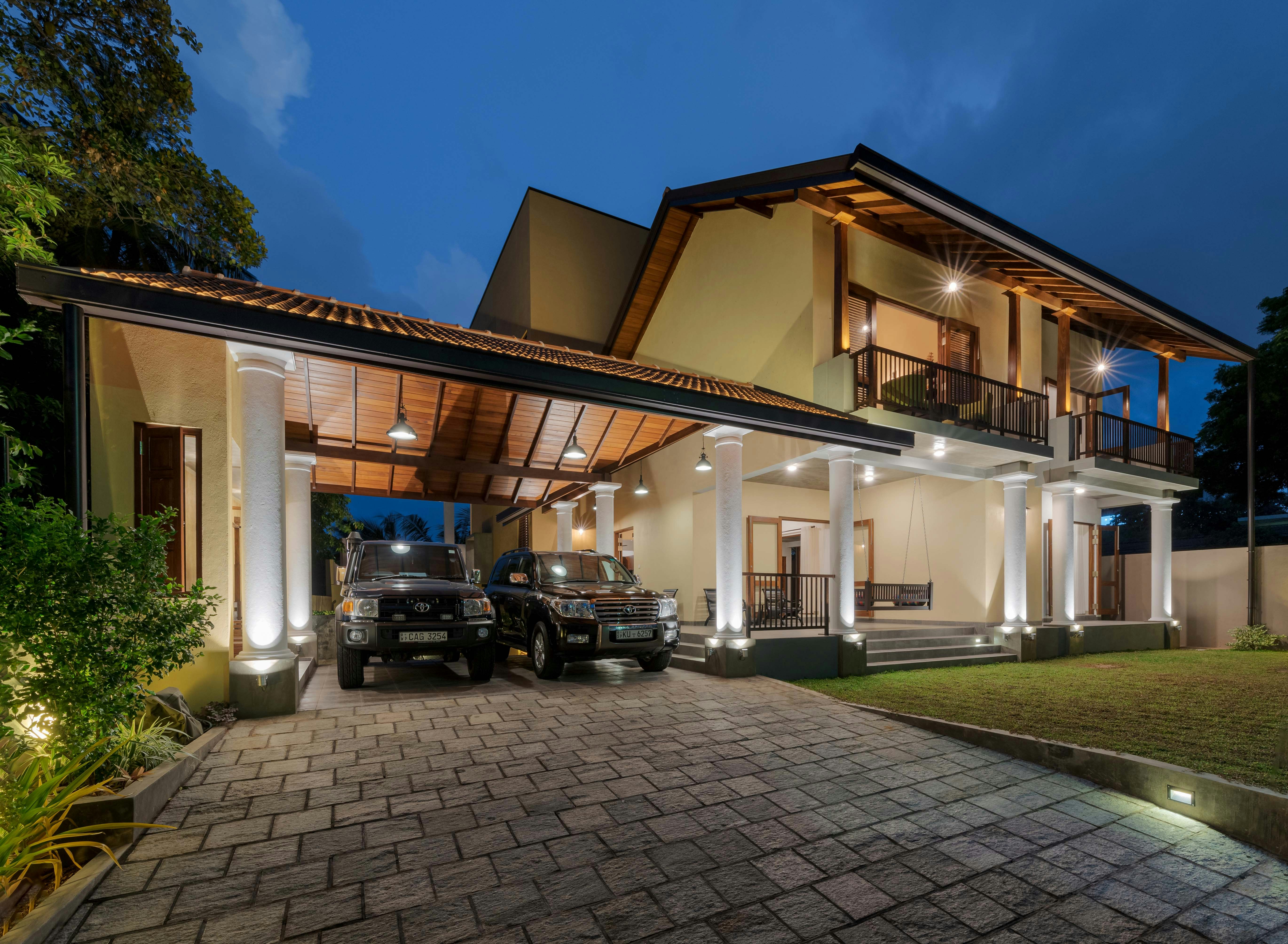
For years, rent growth strategies revolved around amenity packages, unit upgrades, and capital improvements. Operators invested heavily in fitness centers, coworking lounges, rooftop decks, and high tech security systems. These investments created strong curb appeal and often justified higher asking rents. But the market has shifted. Residents today are less impressed by static amenities and far more influenced by how a property makes them feel every day.
That shift has created a new performance truth. Resident experience has become the most reliable lever for rent growth, and service velocity has become the real differentiator. In an environment marked by supply pressure, evolving expectations, and fierce competition, the properties that respond faster, communicate clearly, and resolve issues with frictionless consistency outperform those that focus only on physical enhancements.
In short, operational execution is the new amenity.
This perspective is more than a trend. It signals a future where resident experience becomes a core asset class factor and a primary driver of net operating income. Operators who embrace service velocity now position themselves ahead of the curve. Those who do not risk losing loyal residents, positive reviews, renewal opportunities, and overall brand equity.
Why the Industry Is Shifting Toward Experience First
The multifamily and single family rental sectors are full of beautiful properties with impressive features. But even the best finishes cannot overcome slow responses, confusing communication, or operational inconsistencies. Three major forces are driving the shift toward service based differentiation.
1. Residents Value Time More Than Ever
Speed matters. Modern residents expect the same communication quality they get from consumer brands. They want clarity, transparency, and fast resolution. They judge their housing experience through the lens of every touchpoint. The less friction they encounter, the more valued they feel.
2. Amenities Are Becoming Commoditized
A fitness center used to be an upgrade. Today it is expected. Rooftop spaces, package lockers, pet wash stations, and EV charging are becoming baseline features. As amenities converge across competitive sets, they lose pricing power. Experience remains the final frontier.
3. Renewal Decisions Now Center Around Daily Living
When residents choose whether to renew, they rarely cite the pool or the lobby design. They cite how maintenance made them feel. How communication flowed. How easy it was to handle minor issues. How consistently the property delivered on expectations. Renewal intent is deeply bonded to experience, not architecture.
Service Velocity: The Operational Engine of Resident Experience
Service velocity refers to how quickly and effectively a property executes tasks across the resident journey. It includes response times, turnaround speeds, communication clarity, digital accessibility, and team coordination. When service velocity lags, it creates friction. Friction erodes satisfaction, reviews, and loyalty.
When service velocity is strong, it unlocks a compounding advantage that outperforms most capital expenditures.
The Elements of High Velocity Service
High velocity service is built on four operational pillars.
Fast Response
Acknowledging a request within minutes creates psychological safety. Even when resolution takes time, fast recognition increases trust.
Predictable Follow Through
Residents want certainty. Predictable timelines reduce frustration and reduce the need for repeated follow ups.
Clear and Consistent Communication
Clarity reduces confusion. Consistency builds confidence. Both influence perception more than the final outcome itself.
Seamlessly Coordinated Teams
When leasing, maintenance, and management operate in sync, residents enjoy a fluid and unified experience.
These pillars require operational design, not expensive infrastructure. They depend on process alignment, technology adoption, and a service mindset.
Experience as a Revenue Strategy, Not a Hospitality Gesture
Operators traditionally viewed guest service as a soft initiative. Something nice to have. Something that supported property culture. But the data is changing the narrative. Strong resident experience directly impacts revenue through four clear pathways.
1. Higher Renewal Rates
Renewals drive NOI. Keeping an existing resident is significantly less expensive than acquiring a new one. A smooth experience throughout the lease lifecycle dramatically increases renewal intent.
2. Stronger Online Reputation
Ratings and reviews have become a make or break factor. High velocity service generates positive sentiment, which boosts search ranking, lead quality, and conversion.
3. Premium Rent Positioning
Residents will pay more for a friction free life. Experience driven properties justify higher pricing because they deliver confidence and convenience every day.
4. Lower Operational Drag
Slow processes create internal inefficiencies. They increase labor hours, generate unnecessary touchpoints, and frustrate residents. Speed reduces waste and improves overall team capacity.
Resident experience is no longer a hospitality nicety. It is a revenue producing asset.
Why Amenities Alone Cannot Deliver Sustainable Rent Growth
Amenities create differentiation, but they cannot sustain performance without strong operations. A state of the art fitness center does not compensate for delayed maintenance. A rooftop deck does not repair communication gaps. A renovated lobby does not solve unit readiness delays.
Here is why amenities fall short on their own.
Amenities Do Not Address Daily Pain Points
A beautiful clubhouse is irrelevant when a leak goes unresolved for three days. Residents remember daily experiences more vividly than aspirational features.
Amenities Cannot Fix Operational Bottlenecks
When service is slow or inconsistent, amenities feel like a distraction rather than value. Slow leasing, delayed work orders, and unclear communication impact sentiment more than any physical upgrade.
Amenities Are Capital Heavy But Experience Is Lightweight
Amenities require ongoing investment and maintenance. Experience improvement often requires process optimization and modern tools, not capital expenditures.
A property that combines solid amenities with fast, high quality service will always outperform a property that invests heavily in infrastructure but underinvests in operations.
The Service Velocity Framework for Modern Operators
Operators who want to turn service velocity into a competitive advantage can follow a structured approach. This framework moves beyond generic customer service ideas and focuses on measurable operational shifts.
1. Map Speed Across the Resident Journey
Identify where delays and bottlenecks occur. Focus on leasing workflows, move in experiences, maintenance cycles, communication processes, and renewal timelines. Small delays compound rapidly.
2. Prioritize Operational Transparency
Residents appreciate visibility. Provide clear expectations, timelines, and updates. Transparency reduces anxiety and prevents repeated inquiries.
3. Leverage Digital Tools for Real Time Communication
Modern communication platforms allow teams to streamline updates, reduce misalignment, and create consistent experiences. The speed of information transfer directly impacts satisfaction.
4. Implement a Data Driven Service Approach
Track response and resolution times. Review service patterns. Use metrics to create accountability and continuous improvement.
5. Empower Teams to Act Quickly
Teams require authority, clarity, and technology that allows them to respond without friction. Empowerment increases speed and improves residents' trust.
6. Design an Experience Culture
Service velocity is not just operational. It is cultural. Properties that celebrate responsiveness, problem solving, and resident care win across every performance metric.
The Connection Between Service Velocity and NOI
NOI growth is a direct output of operational efficiency and resident satisfaction. Faster, more reliable service creates multiple financial levers.
Reduced Vacancy Loss
High satisfaction boosts renewals, reducing turnover and vacancy. Lower churn produces stable cash flow and higher long term asset value.
Lower Concession Dependency
Properties with great service do not rely on heavy concessions. Residents see value beyond price.
Lower Maintenance Backlog Costs
Faster resolutions prevent small issues from escalating into expensive repairs.
Higher Team Productivity
When operational friction decreases, teams spend less time on redundant communication and rework. Productivity directly influences resource utilization and profitability.
Strengthened Long Term Reputation
A reputation for exceptional service compounds over years. Strong digital presence increases occupancy, stabilizes rent growth, and creates a moat around the property.
Service velocity is not only a resident strategy. It is a strong financial strategy.
How Operators Can Build a Resident Experience That Outpaces Amenities
Modern operators are beginning to reframe their priorities. Experience now sits at the center of revenue planning. A high velocity service model can be implemented with scalable best practices.
Create a Unified Communication Strategy
Residents should never wonder who to contact or when they will hear back. A unified strategy eliminates confusion across touchpoints.
Optimize the Maintenance Workflow
Maintenance is the heartbeat of resident experience. Fast triage, clear diagnostics, and consistent follow through define satisfaction more than any amenity.
Modernize the Leasing Experience
Speed matters at the front end too. Immediate responses, easy scheduling, and friction free touring set expectations for the entire relationship.
Elevate the Move In Experience
First impressions shape long term sentiment. A well choreographed move in process establishes trust from day one.
Audit Service Interactions Regularly
Experience requires ongoing evaluation. Mystery shops, resident feedback loops, and service metrics keep teams aligned and accountable.
The Future: Experience as a Core Asset Class Driver
The industry is moving toward a future where experience quality becomes a standardized performance indicator. Institutional stakeholders are already taking note. Experience driven operators will qualify for stronger rent positioning, higher retention, and improved long term valuation. As resident expectations continue to evolve, service velocity will become a defining competitive advantage.
Operators who invest in experience will outperform those who invest only in infrastructure. The next decade of rent growth will be driven by properties that deliver speed, clarity, and consistency across every resident interaction.
Conclusion
Amenities add value, but resident experience drives performance. Service velocity has emerged as the most reliable driver of rent growth, operational efficiency, and long term asset health. Residents want responsiveness, transparency, and frictionless interactions more than new features. Operators who prioritize speed, clarity, and human centered service will consistently outperform in competitive markets.
Experience is no longer a hospitality upgrade. It is a revenue engine. It is a retention strategy. It is a brand differentiator. Most importantly, it is the new foundation of rent growth.