Resident Experience = Revenue: How Amenities Pay Off
For years, resident experience lived in the “nice to have” column. Amenities were viewed as marketing sugar. Attractive, expensive, and easy to cut when budgets tightened.
That mindset no longer holds.
In today’s operating environment, resident experience is directly tied to revenue performance. Amenities are not perks. They are levers. When executed with intention, they increase retention, protect pricing power, reduce operating friction, and stabilize net operating income across market cycles.
This is not about adding more amenities. It is about adding the right ones, aligning them with resident behavior, and measuring their financial impact with discipline.
At BoostNOI, we see a consistent pattern across portfolios. Properties that invest strategically in resident experience outperform on revenue durability, not just lease up velocity.
Why Resident Experience Has Become a Revenue Strategy
Multifamily economics have shifted.
Rent growth is no longer guaranteed. Operating costs are up. Capital is more selective. Underwriting assumptions are tighter. In this environment, operators need controllable advantages that compound over time.
Resident experience is one of the few variables fully within an owner’s control.
A positive experience drives three core financial outcomes:
- Higher renewal rates
- Stronger rent resilience
- Lower operating drag
Each of those directly impacts NOI.
When residents stay longer, turnover costs drop. When they perceive value beyond square footage, price sensitivity decreases. When amenities reduce friction, staff efficiency improves.
This is revenue protection masquerading as hospitality.
Amenities as Revenue Infrastructure, Not Marketing Spend
The mistake many operators make is treating amenities as static features. Pools, gyms, lounges, and coworking spaces are installed and then left to age quietly.
Revenue focused operators treat amenities as infrastructure.
Infrastructure supports operations, enables growth, and scales value. The same logic applies here.
Amenities that pay off share three characteristics:
- They solve real resident problems
- They are actively programmed or integrated into daily use
- They are aligned with the property’s target demographic
When amenities are designed with behavior in mind, they stop being cost centers and start becoming retention engines.
The Economics of Retention and Experience
Retention is the most underappreciated revenue driver in multifamily.
Every move out triggers a chain reaction of costs. Vacancy loss. Marketing spend. Concessions. Turn costs. Staff time. Leasing friction.
Even modest improvements in retention produce outsized NOI gains.
Resident experience is the most reliable way to improve retention because it influences emotional loyalty, not just rational pricing decisions.
Residents rarely renew solely because rent stayed flat. They renew because the property feels like home, supports their lifestyle, and removes daily friction.
Amenities play a central role in that equation.
Amenities That Actually Move the Revenue Needle
Not all amenities are created equal. Some photograph well. Others perform well.
The difference lies in utility, frequency of use, and perceived value.
Functional Amenities That Reduce Friction
Amenities that simplify daily life tend to deliver the highest ROI.
Examples include package management systems, secure mailrooms, smart access, and on site maintenance request portals.
These features reduce resident frustration while lowering operational workload. Fewer complaints. Faster resolution. Better reviews.
The financial impact shows up quietly in retention, staff efficiency, and reputation driven demand.
Social and Community Oriented Amenities
Humans are social by default. Properties that facilitate connection outperform those that isolate.
Community rooms, shared lounges, outdoor gathering spaces, and event programming all contribute to a sense of belonging.
Belonging drives stickiness.
Residents who know their neighbors are less likely to move for marginal rent differences. They have social capital invested in the property.
That emotional switching cost is powerful and measurable.
Wellness Focused Amenities
Wellness has shifted from trend to expectation.
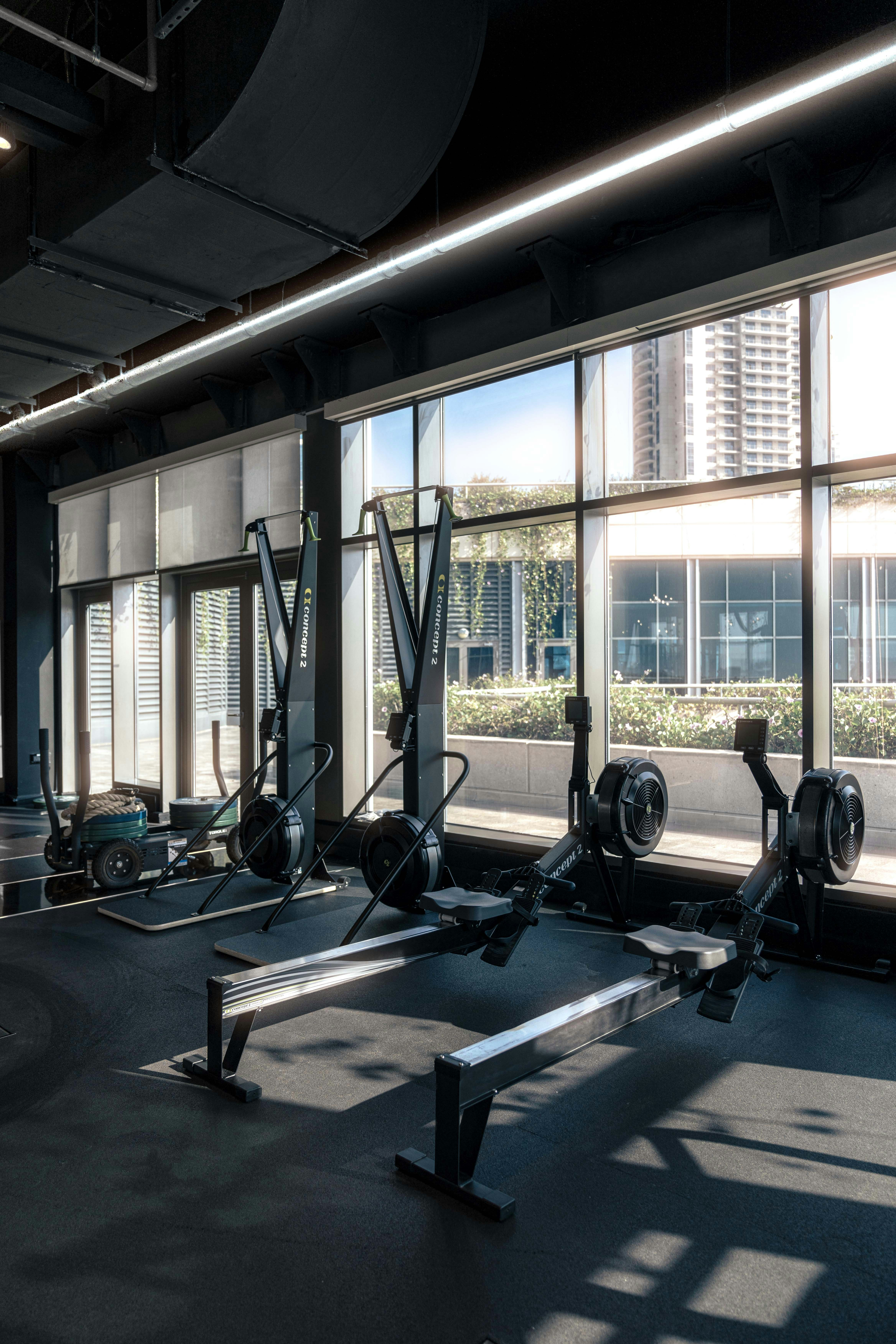
Fitness centers, yoga rooms, walking paths, green spaces, and wellness programming all support resident health while reinforcing premium positioning.
Importantly, wellness amenities are no longer about luxury. They are about accessibility and consistency.
A clean, well maintained gym that residents actually use will outperform a high end facility that sits empty.
Usage beats aesthetics every time when it comes to revenue impact.
Work From Anywhere Amenities
Remote and hybrid work have permanently changed resident behavior.
Coworking lounges, private meeting rooms, phone booths, and high speed connectivity now influence leasing decisions and renewals.
For many residents, these amenities replace external memberships and commuting costs. That creates tangible economic value.
When an amenity saves residents time or money, it strengthens pricing power without increasing square footage.
Amenity Alignment With Resident Demographics
The fastest way to waste capital is to install amenities misaligned with your resident base.
Amenities must reflect how residents live, not how developers wish they lived.
A luxury rooftop lounge may perform poorly in a family oriented community. A children’s play area may underperform in a young professional property.
Revenue focused operators start with data:
- Age distribution
- Household composition
- Work patterns
- Lifestyle preferences
Then they invest accordingly.
Alignment ensures utilization. Utilization drives value perception. Value perception supports rent and retention.
This is not art. It is applied strategy.
Measuring Amenity ROI Beyond Lease Up
Amenity ROI is often evaluated during lease up and then forgotten.
That is a missed opportunity.
Long term ROI shows up in operational metrics:
- Renewal rate differentials
- Average length of stay
- Concession pressure
- Review sentiment trends
- Maintenance ticket volume
Properties that actively track these signals can tie amenity investments directly to financial performance.
For example, a modest investment in package management may reduce front office interruptions, improve resident satisfaction scores, and free staff time for leasing.
The cumulative effect compounds over years.
Programming Is the Multiplier
Amenities without programming underperform.
Programming turns static spaces into dynamic experiences. It increases usage, builds community, and reinforces perceived value.
Examples include fitness classes, networking events, family activities, and educational workshops.
Programming does not need to be expensive. It needs to be consistent and relevant.
When residents associate amenities with experiences, not just objects, engagement rises and churn falls.
That is the compounding effect.
Amenities and Pricing Power
Pricing power is not about charging more. It is about discounting less.
Properties with strong resident experience rely less on concessions during market softness. They maintain occupancy with smaller pricing adjustments.
Because residents compare total value, not just rent.
When amenities replace external costs such as gym memberships, coworking fees, or entertainment expenses, residents rationalize higher rent as neutral or even advantageous.
That insulation matters when market conditions tighten.
The Hidden NOI Benefit of Experience Driven Operations
Resident experience does not only impact the top line.
It also reduces operational drag.
Clear communication, intuitive amenities, and predictable service reduce conflict, complaints, and staff burnout.
Fewer escalations mean fewer costly interventions. Happier staff stay longer. Institutional knowledge compounds.
Operational stability supports financial stability.
This is where experience and NOI quietly converge.
Capital Allocation Discipline in Amenity Strategy
Not every property needs a full amenity refresh.
Smart capital allocation prioritizes upgrades with the highest behavioral impact.
Before investing, operators should ask:
- Will this amenity be used weekly or monthly
- Does it remove a known pain point
- Does it reinforce our target resident profile
- Can it be maintained consistently
If the answer is unclear, the ROI likely is too.
Disciplined amenity investment outperforms flashy overbuild every time.
Future Proofing Revenue Through Experience
Resident expectations will continue to evolve.
Technology, work patterns, and lifestyle preferences will shift. Properties that design flexibility into amenities will adapt faster.
Modular spaces. Multi use rooms. Technology enabled access. Feedback driven updates.
Future proofing is less about predicting trends and more about building responsiveness.
Responsive properties retain relevance. Relevant properties retain residents. Retention sustains revenue.
Conclusion
Resident experience is no longer a branding exercise. It is a revenue strategy with measurable financial outcomes.
Amenities that align with resident behavior, reduce friction, and build community deliver returns far beyond initial cost. They stabilize NOI, strengthen pricing power, and reduce volatility across cycles.
In an environment where margins are under pressure, experience is one of the few levers operators fully control.
Design amenities with intention. Measure their impact. Program them consistently. Treat experience as infrastructure, not decoration.
When resident experience improves, revenue follows. Consistently. Predictably. Profitably.