The Future of Multifamily: Trends Every Owner Should Watch
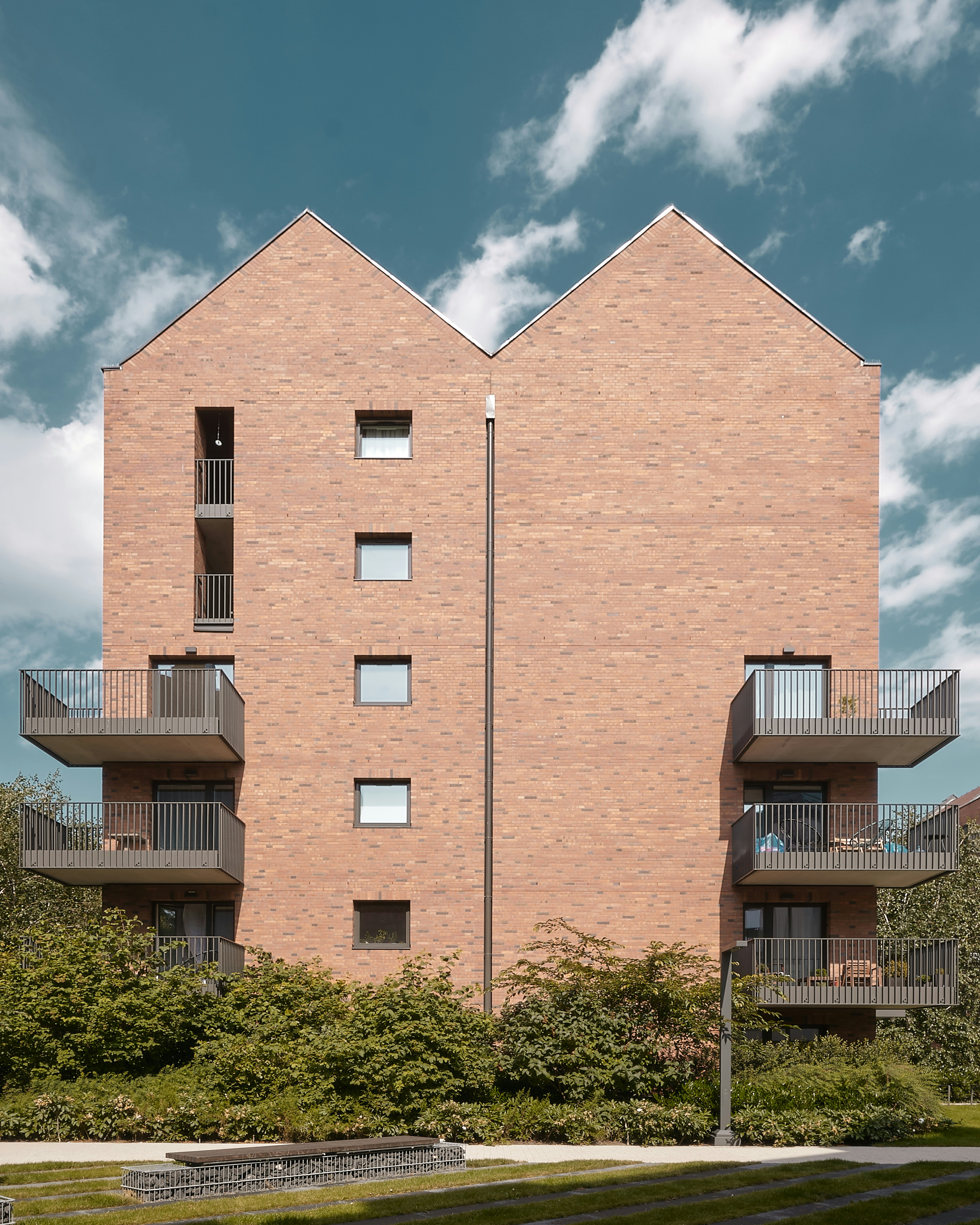
The multifamily sector is entering a new phase defined by rapid technology adoption, shifting renter behavior, and operational transformation that mirrors playbooks once exclusive to large REITs. Owners who anticipate these changes instead of reacting to them will be positioned to unlock stronger NOI, smoother operations, and more resilient portfolio performance.
This guide highlights the macro forces and emerging innovations shaping the next decade of multifamily. Consider this your executive lens on where the industry is headed and how to stay ahead of the curve.
The Acceleration of Operational Modernization
Most multifamily portfolios still operate with legacy habits and fragmented systems. The next wave is all about modernization that reduces friction and amplifies teams.
The Rise of Centralized and Distributed Operations
Centralization is shifting from a buzzword to an execution model. Operators are consolidating repetitive workloads into specialized pods that function across multiple properties. Leasing, renewals, resident communications, and basic maintenance coordination are increasingly handled by centralized teams supported by automation.
Distributed operations are emerging as the counterpart. Rather than eliminating on site roles, operators are deploying leaner field teams focused on high value, in-person tasks while the rest happens off site. This creates better labor efficiency, faster response times, and consistent performance across assets.
Automation as a Core Infrastructure Layer
Automation is moving from a point solution mindset to an enterprise strategy. Owners are layering automation across:
- Lead routing and qualification
- Resident communication workflows
- Maintenance request triage
- Invoice processing and compliance tasks
- Inspection and turn workflows
The goal is not to replace people. It is to eliminate the noise so teams can focus on revenue, retention, and operational clarity.
Consolidation of Tech Stacks
Owners are increasingly frustrated with bloated tech stacks. The future is about system consolidation around platforms that unify data, streamline workflows, and remove integration fatigue.
The winning operators will standardize early. A unified system landscape makes scaling smoother, reduces cost, and increases transparency across the entire portfolio.
The Data Driven Owner Takes Center Stage
Multifamily is finally entering its data era. Owners are shifting from intuition based decisions to portfolio intelligence that mirrors institutional sophistication.
Real Time Portfolio Visibility
The days of waiting for monthly reports are ending. Modern owners want real time dashboards that surface:
- Occupancy trends
- Lead to lease performance
- Renewal risk indicators
- Make ready velocity
- Service ticket throughput
- Spend against budget
Clear visibility empowers faster decisions and course correction before small issues balloon into NOI leakage.
Predictive Insights Over Historical Reporting
Historical data is table stakes. Predictive analytics is the next strategic advantage. Forward looking insights help owners anticipate:
- Leasing surges and soft periods
- Turn bottlenecks
- Renter churn
- Future capex needs
- Pricing elasticity
This is the shift from reacting to forecasting. Owners who harness predictive insights will outperform competitors still fighting fires.
Revenue Optimization Across the Resident Lifecycle
Revenue management is broadening beyond pricing software. Owners are optimizing revenue across the entire lifecycle:
- Smarter deposit alternatives
- Renewal offer calibration
- Upsell opportunities
- Smarter concession strategy
- Reducing delinquency friction
Future focused operators are viewing revenue through a holistic lens instead of just rent increases.
The Resident Experience Evolves
Resident expectations have changed dramatically. They want speed, transparency, self service options, and digital convenience.
Seamless Digital Leasing
Modern renters want tours on their terms. Operators are investing in:
- Self guided tour infrastructure
- Virtual leasing tools
- AI powered lead qualification
- Faster application and screening workflows
The winners will create an acquisition experience that feels effortless and immediate.
Simple and Streamlined Living
Residents want convenience without complexity. The most competitive communities are prioritizing:
- App based access control
- Consolidated resident apps instead of vendor sprawl
- Transparent communication
- Simple maintenance experiences
- Digital payment flexibility
Communities that reduce friction will win on retention and online reputation.
The Shift to Lifestyle Driven Amenities
Amenities are evolving beyond the usual suspects. The most impactful features focus on how residents live and work today. Examples include:
- Co working environments
- Package and delivery intelligence
- EV charging
- Secure smart storage
- Wellness focused spaces
Owners are making more selective amenity investments based on utilization data instead of trends without proof.
Technology Infrastructure Becomes a Competitive Edge
Tech infrastructure used to be a cost line. It is now a value driver.
Access Control as the New Digital Front Door
Access control sits at the center of security, operations, and resident convenience. The future is defined by platform based solutions that integrate:
- Mobile credentials
- Visitor management
- Smart unit access
- Delivery workflows
- Amenity booking
Streamlined access control reduces onsite workload and provides better oversight across the entire portfolio.
IoT Expansion Across Units and Buildings
Smart building and smart unit technology is scaling quickly. IoT unlocks operational efficiency and energy optimization through:
- Leak sensors
- HVAC monitoring
- Occupancy sensors
- Utility usage insights
Owners are embracing IoT to reduce risk, improve sustainability, and extend asset longevity.
AI as an Operational Co Pilot
AI is moving from novelty to necessity. It is already supporting operators by:
- Managing inbound communication
- Generating leasing responses
- Assisting onsite teams with troubleshooting
- Supporting regional managers with portfolio insights
The next phase will be AI powered recommendation engines that guide owners on staffing, pricing, and operational adjustments in real time.
Financial and Investment Strategies Shift
Capital flows and underwriting assumptions are evolving. Owners are reshaping how they evaluate risk, returns, and portfolio positioning.
Conservative Underwriting With Operational Upside
Investors are more conservative in acquisition assumptions, but are placing greater focus on operational upside. Value creation is shifting from pure rent growth to:
- Operational efficiency
- Expense reduction
- Resident retention
- Smarter pricing moves
- Technology driven NOI improvement
The portfolios that outperform will have operational sophistication baked into their strategy.
Capex Planning Gets Data Driven
The unpredictable HVAC surprise or mid year roof replacement is becoming less acceptable. Owners are turning to predictive maintenance data, building diagnostics, and long term lifecycle modeling to plan capex proactively instead of reactively.
The result is smoother budgeting, fewer emergencies, and better asset planning.
Rent Growth Normalizes
The rent spike era is over. Sustainable growth will come from consistent operations, improved retention, and maximizing ancillary revenue opportunities that align with resident value.
In other words, the future is disciplined growth, not opportunistic spikes.
Risk Management Transforms
Risk management is expanding beyond compliance and insurance. It now spans operations, people, and infrastructure.
Operational Risk Monitoring
Owners are using real time dashboards to detect early signs of operational breakdown such as:
- Slowing maintenance response times
- High team turnover
- Lead conversion drops
- Make ready delays
- Unexpected expense spikes
Operational risk analytics help owners intervene earlier and prevent NOI drag.
Cybersecurity Becomes Non Negotiable
With the rise of connected devices and digital workflows, cybersecurity is a major priority. Owners are strengthening:
- Vendor vetting
- Data governance standards
- Network security
- Access control protections
- Disaster recovery plans
Cyber vulnerabilities are expensive, and owners cannot afford them in an increasingly digital ecosystem.
Workforce Stability as a Risk Strategy
Labor shortages are not going away. Owners are mitigating people risk through:
- Centralized support structures
- Automation that reduces repetitive load
- Clear operational playbooks
- Career development paths that retain talent
The future of multifamily depends on stable, empowered teams equipped with modern systems.
Sustainability Moves From Idealistic to Operational
Sustainability has matured into a cost saving and performance enhancing strategy. Owners are implementing:
Energy Efficient Retrofits
Modern HVAC systems, smart thermostats, and improved insulation reduce operating costs while meeting evolving regulations.
Water Management
Leak detection sensors, low flow systems, and smarter irrigation protect assets and reduce utility expense.
Smart Building Controls
Centralized controls that adjust lighting, HVAC, and common area operations create predictable savings and smoother oversight.
Sustainability is no longer just a marketing point. It is a long term NOI multiplier that residents and investors now expect.
Preparing for the Operator of the Future
Owners who want to stay ahead should focus on a few strategic priorities.
Standardize Systems
A streamlined tech stack enables better data, faster scaling, and stronger operational discipline.
Document Workflows and Processes
Clear playbooks unlock consistency across properties, regions, and teams. Process clarity creates operational clarity.
Invest in Talent and Tools
People are still the heart of multifamily. Technology amplifies their impact. The winning owners invest in both.
Build a Culture of Continuous Improvement
The industry is changing fast. Owners who foster adaptability and innovation will outperform peers locked in outdated models.
Conclusion
The future of multifamily is not defined by dramatic swings. It is defined by systematic improvements that create compounding advantages. Owners who embrace modernization, strengthen data capabilities, streamline operations, and elevate the resident experience will be well positioned for the next decade.
The playbook is shifting from reactive problem solving to proactive portfolio strategy. The operators who adapt now will not only protect NOI but expand it through smarter, faster, more coordinated execution.
The multifamily landscape is evolving. Forward looking owners are evolving with it.