If You Can’t Measure It, It’s Eating Your Margins

In real estate, the difference between a high-performing property and an underperforming one often comes down to visibility. What you cannot see, you cannot control. If you cannot measure a process, a cost, or an operational outcome, it is silently eroding your margins. This principle applies to everything from multifamily communities to self storage facilities. Understanding the role of measurement in improving operational efficiency and profitability is no longer optional. It is critical.
Why Measurement Matters in Real Estate Operations
Real estate operations involve numerous moving parts. Rent collections, maintenance costs, labor allocation, utilities, vendor management, and tenant retention all affect the bottom line. Without accurate data, operators rely on assumptions, anecdotal reports, or outdated spreadsheets. These practices leave gaps where costs leak unnoticed.
Measurement allows operators to:
- Identify inefficiencies and redundancies
- Optimize labor and vendor performance
- Improve tenant satisfaction and retention
- Make strategic investment and expansion decisions
When key performance indicators are monitored consistently, operators gain actionable insights. Without them, inefficiencies compound, and profits shrink.
Common Areas Where Margins Are Lost
Operational Inefficiencies
Maintenance delays, excessive labor hours, and poor vendor coordination are typical sources of inefficiency. If you cannot measure turnaround times, labor utilization, or vendor responsiveness, you cannot identify bottlenecks. Small inefficiencies, when repeated across multiple units or properties, translate into significant margin loss.
Cost Overruns
Utility bills, insurance premiums, and repair costs are often tracked loosely. Operators may notice costs rising but fail to understand the root cause. Without detailed measurement and benchmarking, it is impossible to implement targeted cost-control strategies. Over time, these overruns quietly erode Net Operating Income (NOI).
Revenue Leakage
Untracked rent concessions, late fees, or mismanaged tenant accounts contribute to revenue leakage. Operators who lack precise tracking of rental income, occupancy, and payment behavior risk leaving money on the table. Every uncollected dollar reduces the overall return on investment.
Metrics That Matter Most
To prevent margins from being eaten away, operators must focus on key metrics that directly affect NOI. These include:
Occupancy and Turnover Rates
Tracking occupancy and turnover provides visibility into tenant demand and retention. High turnover increases leasing costs, cleaning expenses, and potential vacancy loss. Measuring these metrics allows operators to implement targeted retention strategies.
Maintenance and Repair Costs
Detailed tracking of maintenance requests, repair costs, and vendor performance helps identify inefficiencies and control expenses. When maintenance metrics are benchmarked against industry standards, operators can make informed decisions on preventive maintenance, staffing levels, and vendor selection.
Labor Utilization
Labor is one of the largest controllable expenses in property operations. Tracking hours, task completion rates, and employee performance ensures that resources are deployed efficiently. Without measurement, labor costs can balloon without notice.
Revenue Tracking
Every rent payment, fee, and concession should be tracked accurately. Operators should measure collection rates, late payments, and occupancy-adjusted income. Measurement allows for immediate action when revenue deviates from expectations.
The Role of Technology in Measurement
Technology has transformed the ability to measure performance in real estate operations. Property management software, automated reporting, and data analytics tools give operators real-time insight into performance metrics.
Automation for Accuracy
Automated workflows reduce the likelihood of errors in data collection. They provide consistent, repeatable measurement of critical operational and financial metrics. Accurate data allows operators to make decisions based on facts rather than estimates.
Dashboards for Visibility
Centralized dashboards consolidate multiple metrics into a single view. Operators can monitor performance across properties, units, and operational areas. Dashboards highlight trends, anomalies, and areas requiring attention, enabling proactive management.
Predictive Analytics
Advanced analytics can forecast maintenance needs, occupancy trends, and revenue fluctuations. Predictive insights allow operators to allocate resources more efficiently and reduce unexpected costs. Measurement becomes not just reactive but strategic.
Building a Measurement Framework
To stop margins from being eaten away, operators should establish a structured measurement framework. This includes:
Define Key Metrics
Identify the specific metrics that directly impact profitability. Focus on operational efficiency, revenue generation, and cost control. Each metric should be measurable, actionable, and tied to a clear business outcome.
Standardize Data Collection
Establish consistent processes for collecting, recording, and reporting data. Standardization ensures accuracy and allows for meaningful comparisons across periods, properties, and teams.
Regular Reporting
Schedule frequent reporting and review cycles. Metrics are only valuable if analyzed and acted upon regularly. Monthly or quarterly reviews ensure that trends are identified early and corrective action is taken promptly.
Benchmark Performance
Compare performance against industry standards or historical data. Benchmarking provides context and highlights areas where performance deviates from expectations. It also sets realistic goals for improvement.
Case Study: Margin Improvement Through Measurement
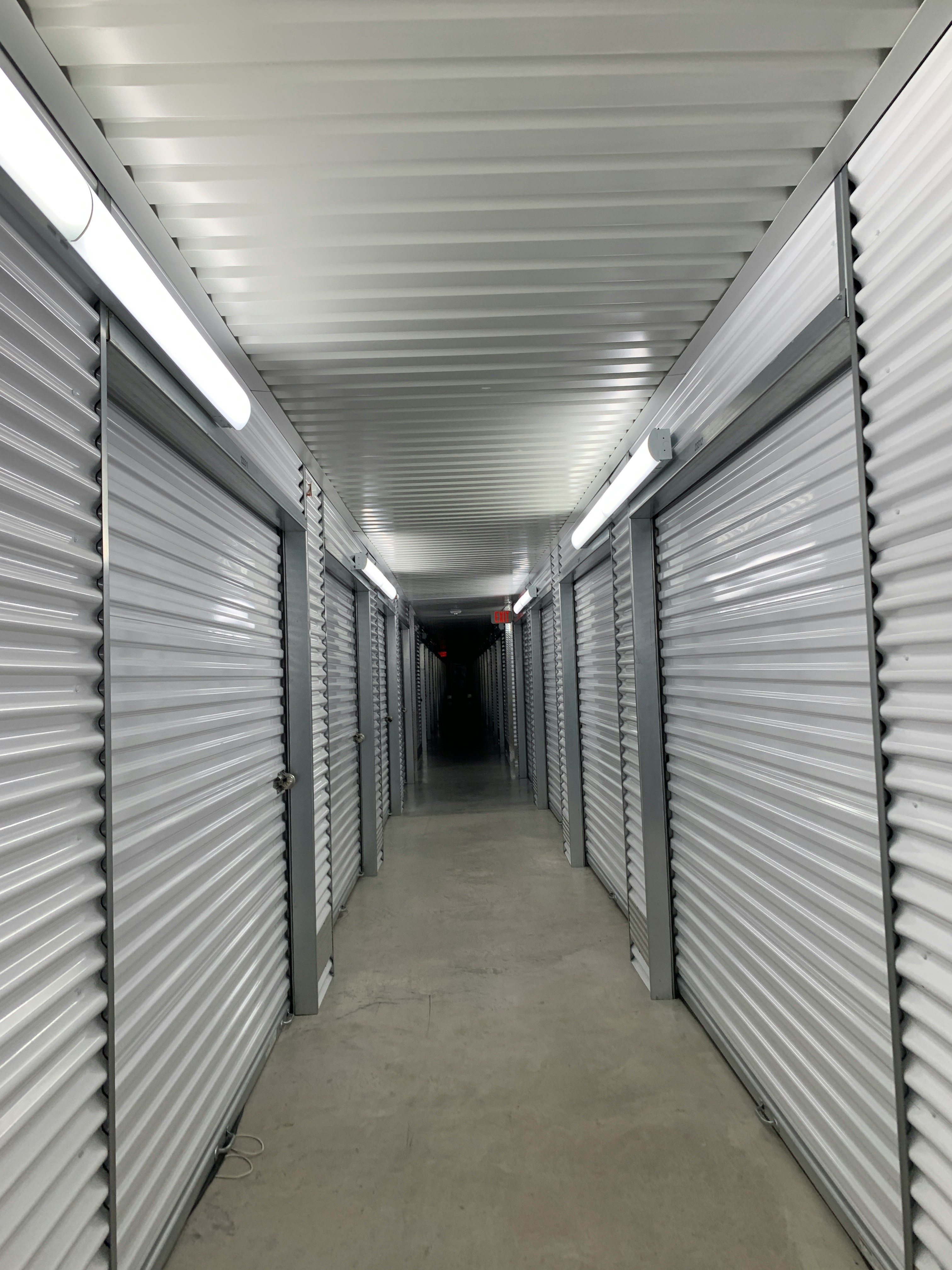
Consider a mid-sized self storage operator who struggled with rising labor costs and inconsistent occupancy rates. By implementing a measurement framework, the operator:
- Tracked maintenance request completion times and vendor performance
- Monitored labor hours across facilities
- Measured occupancy and revenue collection trends
Within six months, the operator reduced labor costs by 12 percent, improved occupancy by 5 percent, and increased Net Operating Income by 8 percent. Measurement uncovered inefficiencies that had previously gone unnoticed and allowed the operator to take targeted action.
Challenges in Measurement
While measurement is critical, it is not without challenges. Operators may encounter:
- Incomplete or inaccurate data collection
- Resistance from staff due to increased accountability
- Overwhelm from excessive metrics
The key is to focus on the most impactful metrics and use technology to simplify collection and reporting. Small, consistent improvements compound over time, leading to measurable gains in profitability.
Actionable Steps for Operators
To ensure margins are protected, operators should:
- Identify the key metrics that influence NOI the most
- Implement technology solutions to automate tracking and reporting
- Standardize data collection and reporting processes
- Conduct regular performance reviews and benchmarking
- Act on insights to reduce inefficiencies, control costs, and optimize revenue
By following these steps, operators can move from reactive management to proactive, data-driven operations.
Conclusion
In real estate operations, what cannot be measured will always erode profits. Operators who lack visibility into their processes, costs, and revenue streams are at risk of unseen margin loss. Measurement provides clarity, accountability, and the insight needed to improve efficiency, control costs, and maximize Net Operating Income.
Investing in technology, defining key metrics, and building a structured measurement framework are not optional. They are essential strategies for any operator serious about protecting and growing property performance. In a competitive market, those who measure and act on their data will consistently outperform those who do not.