Why Cost Control Is the New Rent Growth

In today’s dynamic real estate market, the traditional focus on rent growth as the primary driver of net operating income (NOI) is shifting. Rising operational costs, labor shortages, and increasing competition make controlling expenses more important than ever. Property owners and operators who embrace cost control strategies can deliver results that match or surpass the impact of rent increases.
The Changing Real Estate Landscape
Historically, the success of real estate investments was measured by rental income growth. Owners and operators concentrated on raising rents, assuming that increasing revenue would naturally lead to higher profits. Current market conditions are challenging this approach.
Operational costs are rising across nearly every asset class. Utilities, labor, insurance, and maintenance expenses are climbing steadily. At the same time, tenants are more discerning. Occupancy rates depend not only on rental rates but also on amenities, service quality, and community experience. Relying only on rent growth to drive NOI is risky and often insufficient.
Cost control is becoming a more strategic lever for performance. By optimizing operations and reducing unnecessary expenses, owners can protect margins and deliver steady returns even in markets where rent growth is slow or flat.
Why Cost Control Outperforms Rent Growth
Margins Are More Predictable
Rent increases depend on market conditions. Cost savings can be achieved internally through deliberate management practices. Labor efficiency, vendor negotiations, preventive maintenance, and energy management all reduce variability in operating expenses. Predictable margins give investors and operators more confidence in long-term projections and portfolio performance.
Compounding Effects on NOI
Every dollar saved on operating costs directly increases net operating income. Rent growth may be limited by market ceilings or regulations. Cost reductions, however, compound over time. Small efficiency gains in staffing, utilities, or vendor management can significantly improve NOI, particularly for large portfolios where scale amplifies savings.
Enhancing Property Value
Properties that are well-controlled in terms of costs tend to perform better in due diligence and appraisal processes. Lower operating expenses improve capitalization rates, attract buyers, and increase resale value. Cost control is both a short-term operational strategy and a long-term asset enhancement approach.
Key Strategies for Effective Cost Control
Implementing cost control requires more than cutting budgets. Strategic, data-driven approaches yield the best results while maintaining or improving tenant satisfaction.
Optimize Vendor Relationships
Vendors are essential in property operations. Consolidating services with fewer, reliable vendors streamlines processes and reduces costs. Negotiating service contracts based on performance metrics encourages efficiency and accountability.
Technology platforms allow operators to track vendor performance and spending in real time. Monitoring invoices, service frequency, and quality prevents overcharges and identifies opportunities for renegotiation or consolidation.
Embrace Preventive Maintenance
Reactive maintenance is one of the largest hidden costs in property operations. Systems that fail unexpectedly often require emergency repairs that are expensive.
Preventive maintenance programs extend the life of equipment, reduce downtime, and minimize replacement costs. Data analytics can help operators anticipate issues, prioritize repairs, schedule maintenance efficiently, and avoid costly surprises.
Leverage Technology and Automation
Digital tools and automation are essential for modern cost control. Property management software, IoT devices, and analytics platforms provide actionable insights into utility usage, occupancy patterns, and workflow efficiency.
Automation reduces administrative burdens and human error. Routine tasks such as rent collection, lease renewals, and tenant communications can be streamlined, freeing staff to focus on higher-value activities. Technology also improves transparency, making it easier to identify and address cost inefficiencies.
Improve Energy Efficiency
Energy costs are a major contributor to operating expenses. Investing in energy-efficient lighting, HVAC systems, and building automation generates significant savings over time.
Energy efficiency also enhances tenant satisfaction and positions the property as environmentally responsible. This can support marketing efforts, attract tenants who value sustainability, and potentially qualify for tax incentives or rebates.
Streamline Staffing Models
Labor is often the largest operational cost for multifamily, commercial, and self-storage properties. Evaluating staffing levels, responsibilities, and workflows can reveal opportunities for optimization without reducing service quality.
Cross-training staff, implementing flexible scheduling, and using part-time or contract support can reduce overhead. Pairing staffing strategies with technology ensures essential tasks are completed efficiently, maximizing productivity and minimizing unnecessary expenses.
Measuring Success in Cost Control
To measure the impact of cost control initiatives, operators must rely on accurate, actionable data.
Key Metrics to Track
- Operating Expense Ratio (OER): Measures total operating expenses relative to revenue. A lower OER indicates effective cost management.
- Net Operating Income (NOI) Growth: Shows the impact of cost control on profitability.
- Tenant Retention and Satisfaction: Ensures cost-saving measures do not affect tenant experience.
- Maintenance and Repair Costs: Tracks the effectiveness of preventive maintenance programs.
- Energy Usage Metrics: Measures savings from energy efficiency initiatives.
Regular monitoring and benchmarking against industry standards enable operators to make informed adjustments and continuously optimize performance.
Case Studies: Cost Control in Action
Across asset classes, operators are proving that cost control can drive NOI growth as effectively as raising rents.
Multifamily Properties
A multifamily operator implemented predictive maintenance software and optimized staffing schedules across a 500-unit portfolio. Within one year, maintenance costs decreased by 15 percent, utility expenses dropped by 10 percent, and tenant satisfaction scores improved. The combined savings produced an NOI increase equivalent to a 3 percent rent growth across the portfolio.
Self-Storage Facilities
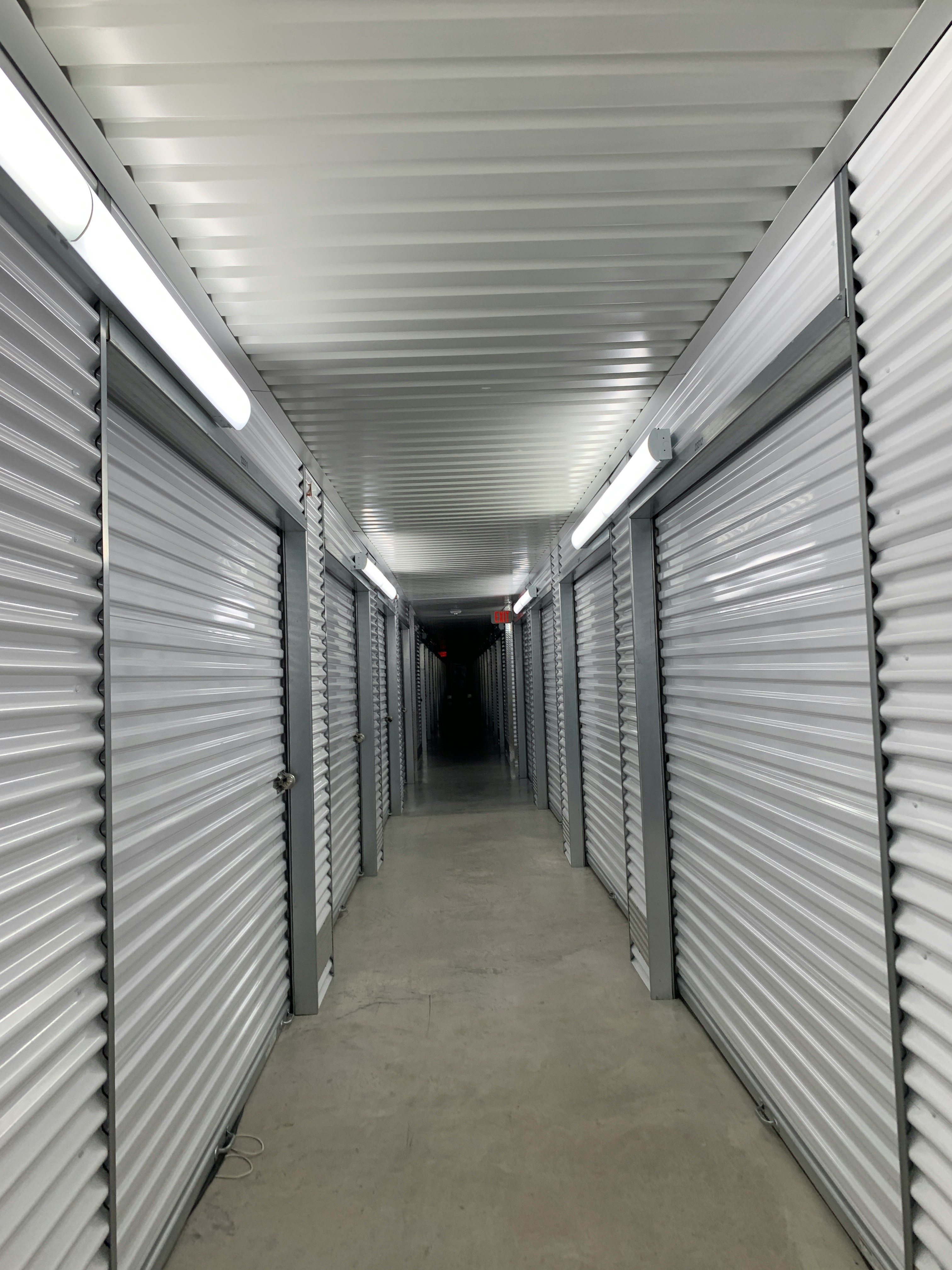
Self-storage operators renegotiated vendor contracts and installed energy-efficient lighting. These actions reduced annual operating costs by 12 percent. The savings matched the effect of increasing rental rates by over 5 percent without impacting occupancy.
Commercial Office Spaces
A commercial office portfolio focused on utility management and contract renegotiation. Smart building technology allowed operators to monitor energy consumption and adjust HVAC schedules automatically. Coupled with vendor contract reviews, operating expenses fell by 8 percent. Profitability improved even though rental rates remained flat.
These examples show that cost control is not a defensive strategy. It is a proactive, revenue-enhancing approach that can deliver predictable and sustainable results.
The Future of Real Estate Profitability
As markets evolve, operators and investors must adapt. Rent growth will continue to contribute to revenue generation but is increasingly subject to external limits.
Cost control is an internal lever that can be optimized regardless of market conditions. Focusing on operational efficiency, data-driven decision-making, and strategic investments in technology and infrastructure allows property owners to consistently improve NOI, strengthen portfolio resilience, and create long-term value.
Organizations that prioritize cost management will be better positioned to withstand market volatility, outperform peers, and achieve sustainable growth.
Conclusion
Cost control is now a strategic driver of net operating income, equal to or surpassing the impact of rent growth. Optimizing vendor relationships, implementing preventive maintenance, leveraging technology, improving energy efficiency, and streamlining staffing can significantly reduce expenses and protect margins.
The future of profitability requires balancing revenue growth with disciplined expense management. Operators who make cost control a core strategy enhance property performance and create resilient, high-performing portfolios capable of thriving in any market environment.
Cost control is no longer optional. It is the new engine of rent growth.